Build a daily self-leadership practice
Stephen begins with practices that fit on an ordinary day: read a page, think about it, and write down what it changes. The point is not a heroic morning routine. It is a repeatable pause between stimulus and decision. Pick one source relevant to the role, one question to reflect on, and one behavior to test before the next leadership conversation.
Keep the practice inspectable. A short learning log can record the idea, the situation where it applies, the action taken, and what happened. Review it weekly for repeated misses or useful patterns. Training, books, and coaching are inputs, not accomplishments by themselves. The evidence is whether the leader communicates more clearly, removes a recurring obstacle, or makes a better-supported decision.
Model the standard before assigning it
A leader who recommends a book, course, checklist, or meeting rhythm should be able to explain how it works and why it fits the recipient. Stephen says he tells employees that he has read a recommended book and names the reason he chose it for that person. That context turns a generic assignment into a development conversation.
Apply the same rule to operational standards. If the team must arrive prepared, close documentation, or finish a training module, the owner should keep the commitments that belong to the owner. Moving from trade skill into people leadership starts here: authority becomes credible when the team can see the leader practicing the behavior being requested.
Stephen states the dependency directly:
“You're not going to lead other people if you can't lead yourself.”
Stephen Akian, episode timestamp 04:24
Admit misses before they become theater
Self-leadership is not an attempt to look finished. Stephen pairs modeling with the willingness to say when he has fallen short. A useful admission names the commitment, the observed miss, who was affected, and the next repair. It does not ask employees to excuse a pattern or absorb the consequences of an owner's lack of preparation.
Close the loop visibly. If the correction is a clearer decision, a finished procedure, a changed meeting, or an overdue resource, put an owner and date on it. Ask the people closest to the work whether the repair solved the actual problem. Coaching beyond the owner bottleneck requires that feedback can travel toward the owner as well as away from one.
Stephen describes the stance this way:
“The other part of that is being vulnerable with your team.”
Stephen Akian, episode timestamp 05:07
Give resources with a reason and a review
The episode moves from the owner's learning to resources for the team. Do not hand someone a course or book as a substitute for a diagnosis. State the capability being developed, why it matters to that role, what part deserves attention, and when the two of you will discuss the application. The employee should be able to question the fit or propose a better source.
A review conversation should ask for evidence, not a summary performance. What did the person try? Which customer, handoff, or team situation changed? What stayed difficult? Managers can then remove a policy, tool, scheduling, or authority obstacle instead of assuming the employee failed to learn. Resource use becomes valuable when it changes work, not when a completion badge appears.
Delegate judgment inside visible boundaries
Stephen argues that an owner cannot keep a hand on every decision as a company adds people. Write the boundary before stepping aside: the result the employee owns, decisions they can make, limits on price or scope, evidence they must preserve, and the condition that requires a manager, technical expert, or safety escalation. Freedom without this context is ambiguity, not development.
When an employee asks what to do, Stephen's recurring question is what they think the right action is. That question reveals reasoning and creates a coaching point. Let the person develop an answer, then check it against customer permission, company policy, qualified technical judgment, and current rules. Do not let a learning exercise expose a customer, employee, or property to avoidable harm.
Make successor capacity the output of coaching
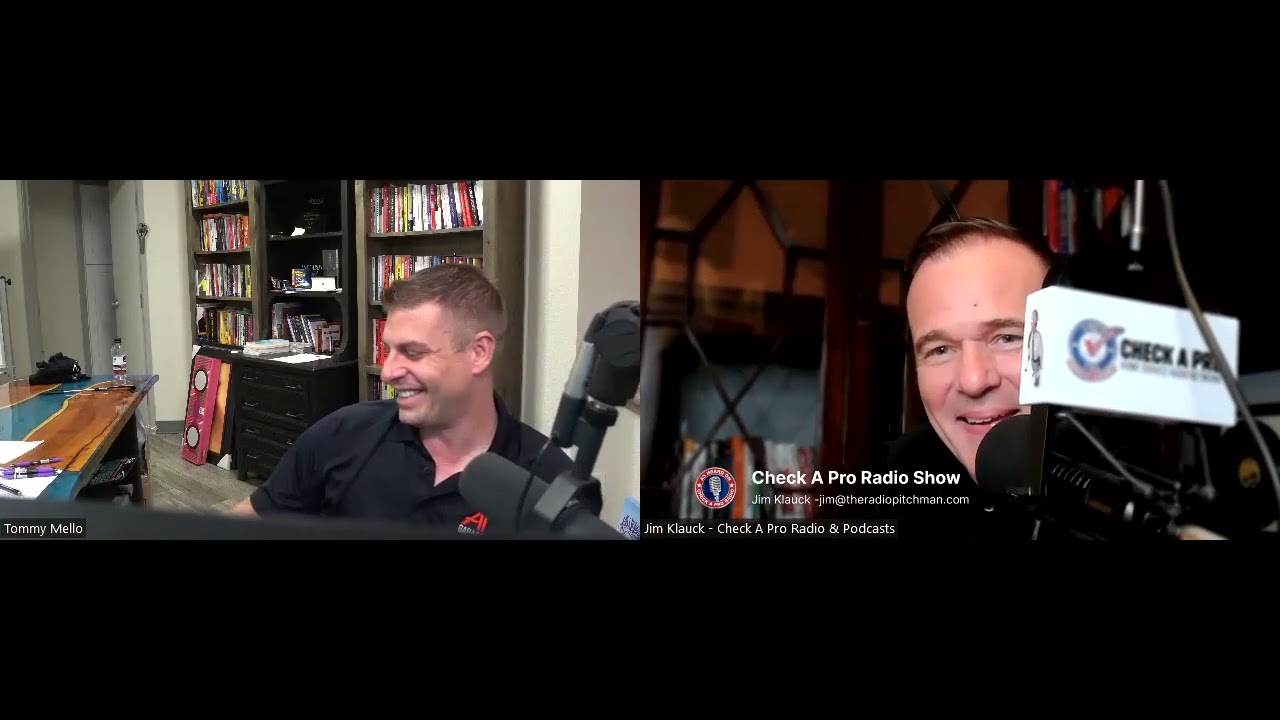
Tom Ziglar describes coach leadership as a method for helping a person become more effective and eventually lead others. At 18:30, he connects the way people are coached with the way they may later lead. That is an attributed framework, not a universal result. A manager can make it concrete by naming one capability, observing current evidence, agreeing on a practice assignment, and reviewing what changed without turning coaching into therapy or personality diagnosis.
The output is not a dependent follower. At 22:33, Tom says a business owner should equip people to replace what the owner does. Choose a recurring decision, define the result, evidence, authority limit, safety or customer stop, and review cadence, then let the successor complete full cycles. The owner remains accountable for lawful employment, qualified trade oversight, and customer protection while the teammate earns broader judgment through observed work.
At 24:04, Tom moves from learning a job to teaching it to others and developing multiple leaders; shortly afterward he says more growth requires more systems. Build a successor map instead of repeating the episode's belief or scale claims: list each critical function, the ready-now owner, the next person learning it, the evidence required for transfer, and the unresolved single-person dependency. Coaching is useful only when operating capacity becomes visible outside the coach-leader.
Make accountability reciprocal
Stephen credits a management team that can tell him when he is off course. Reciprocal accountability needs more than an invitation to speak up. Put one-on-ones on the calendar, keep a shared list of commitments, let either person add context, and record what will change. The leader's commitments belong on the same page as the employee's.
Use observable work instead of personality labels. Review a missed handoff, delayed approval, unresolved obstacle, or customer-impacting decision. Ask what each role controlled, what information was missing, and what system change prevents recurrence. The stakeholder model in building a business where everyone can win works only when authority and responsibility remain connected.
Co-create one next action in the one-on-one
Tom Ziglar describes an intentional coaching conversation with each person every week at 12:19. Frequency is not the objective by itself. Give the one-on-one a narrow operating contract: review the last action, examine one piece of work evidence, ask what obstacle is within the leader's control, and choose one next behavior. Preserve a separate authorized route for pay, accommodation, leave, discipline, safety, harassment, and other protected or regulated matters.
Ziglar contrasts telling with asking questions that let the two people co-create a plan at 12:32. Keep that plan specific to the job: the capability, practice opportunity, manager support, evidence, authority boundary, and review date. Co-creation does not transfer the employer's safety, pay, policy, or legal duties to the employee, and it does not promise a promotion, wage increase, profit, growth, retention, purpose, or coaching result.
At 17:37, Ziglar says questions create ownership while the leader still guides the conversation. Apply that balance by letting the employee propose the next action, checking it against customer permission, role scope, current policy, and qualified judgment, then recording what each person owns. Do not press for debt, marriage, housing, children, health, faith, or another private “why.” The episode-time framework remains attributed to Ziglar and cannot replace consistent employment systems or qualified local review.
Meet resistance with questions before force
The recording describes early pushback to a new training program. Stephen contrasts his older command response with a later effort to understand the objection and expose the reasoning behind it. A manager should first separate refusal from missing context, bad timing, conflicting incentives, weak training, or a legitimate concern about the process.
Ask the employee to explain what they believe will fail, what evidence supports it, and what limited test would answer the question. Restate the concern accurately before responding. The company still decides which lawful and safe standard governs the work, but listening creates a better implementation path and a record of risks the designer may have missed.
Score leadership by operating evidence
The episode includes recording-time revenue and growth statements. Those anecdotes are not a leadership benchmark and are not independently audited here. Build a local scorecard around kept commitments, unresolved employee obstacles, one-on-one completion, documented decisions, training application, preventable callbacks, team turnover, and customer complaints tied to unclear leadership or handoffs.
Read samples behind the totals. A completed one-on-one is not useful if no obstacle changes. Fast delegation is not useful if decisions regularly exceed authority. Low reported conflict can mean trust or silence. Review the evidence with the team and choose one leadership behavior to test next. Improvement is a sequence of visible repairs, not a claim that the leader has arrived.
From the episode
Frequently asked questions
What does it mean to lead yourself before leading a service team?
It means keeping the practices you ask others to keep: prepare, learn, finish commitments, admit misses, ask for feedback, and correct course. Self-leadership does not require perfection. It gives the team visible evidence that the standard applies to the owner too.
How can an owner show vulnerability without weakening authority?
Name the specific miss, explain its operational effect, ask what context you lack, and state the correction you will make. Keep responsibility with the leader instead of asking the team for emotional reassurance. Candid ownership strengthens authority when the promised repair is completed.
How should a leader delegate without abandoning the team?
Define the outcome, decision boundary, available evidence, escalation point, and review time. Let the employee form a recommendation, then coach the reasoning and intervene before an unauthorized, unsafe, or customer-harming action. Delegation transfers judgment gradually; it does not remove support.
Source trail
See the evidence behind this article
- Leadership episode with Stephen Akian
Primary video and complete public-caption source for the self-leadership, learning, vulnerability, delegation, resistance, and accountability discussion. Automatic-caption identity errors are not used as facts.
- Akian founder profile
Current first-party profile identifying Stephen S. Akian as founder and corroborating the person-company relationship.
- Akian company home
Current first-party source for Akian Plumbing, Heating, Cooling & Electric. It does not independently verify episode-era growth or revenue claims.
- Service MVP
Current first-party home for the source show's training business, included to make the commercial context visible rather than to validate claimed results.
- Tom Ziglar on weekly coaching conversations
Separate 2022 recording and complete-caption source for the weekly question, co-created action, and guided-ownership material. Wage, promotion, profit, family, health, faith, news, coaching, and result claims are excluded.
- Tom Ziglar current official profile
Current first-party source identifying Tom Ziglar as CEO of Ziglar. It establishes identity and commercial context, not episode outcomes.
- Additional long-form recording: Tom Ziglar
Complete public-caption source for the narrow transcript-grounded enhancement attached to this canonical page. Recording-time claims and promotions are constrained by the disclosure and claim receipt.