Map research friction before buying a tool
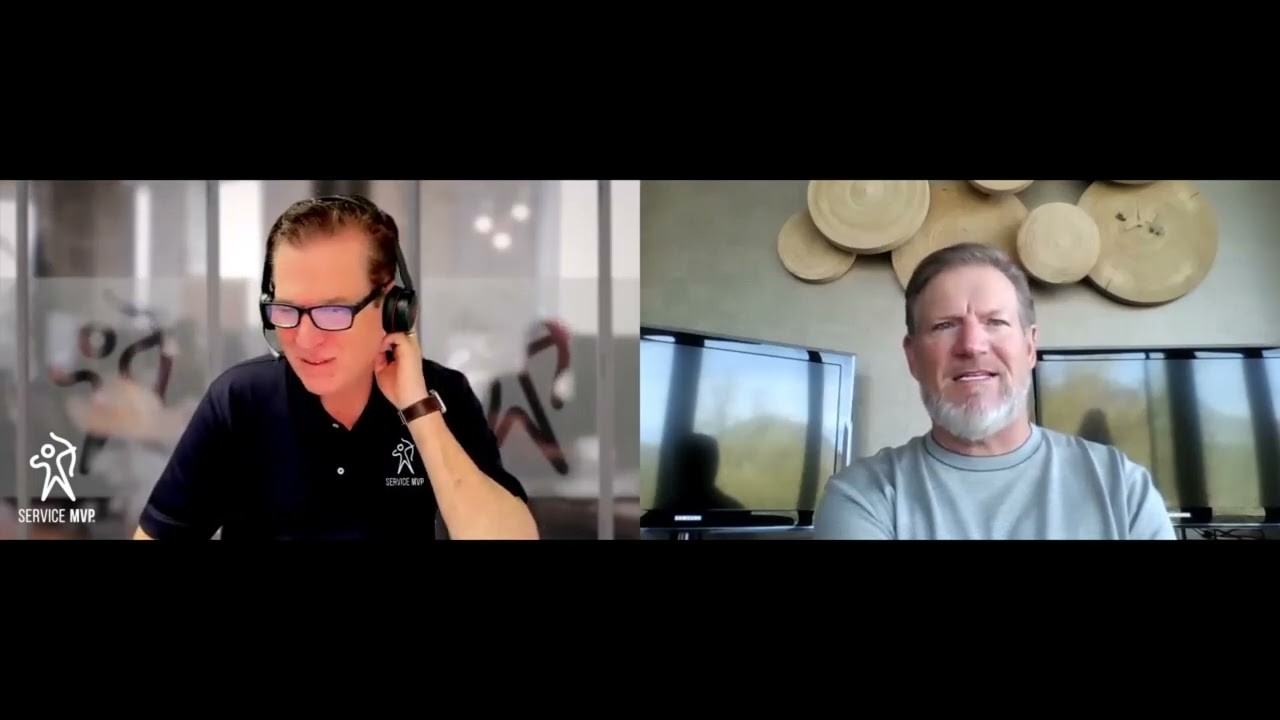
Matt describes Bluon's shift from promoting a refrigerant product to building tools around what technicians were actually trying to find. His central observation is durable: a new product or database has little value when a field worker lacks the training, context, and support needed to use it correctly. Start with the technician's failed searches rather than a vendor feature list.
For two weeks, log the equipment type, question, source attempted, minutes spent, people interrupted, whether the correct document was found, whether a part or diagnosis changed, and how the issue closed. Separate missing information from missing skill, access, inventory, authorization, or experience. That baseline shows which friction a manual library, workflow change, training session, or expert escalation could actually address.
Matt explains why adoption alone was not enough:
“That doesn't matter how good your kind of widget is to fix XYZ problem if the blue collar service tech doesn't have training, support, education to know how to use said said new innovation.”
Matt Case, episode timestamp 01:13
Verify equipment identity before searching
The first research path in the episode begins with brand, model, serial, manuals, wiring diagrams, technical specifications, service bulletins, and error codes. A fast search against the wrong model is worse than a slow search because it can look authoritative. Capture the full nameplate, installation context, configuration, and any field modification before trusting a result.
Prefer current manufacturer documentation and record its title, revision, publication date, and source. Check that matched indoor and outdoor components, controls, accessories, refrigerant, electrical characteristics, and jurisdictional requirements align with the actual system. A third-party index can help locate material, but the technician should be able to trace a consequential instruction back to its governing source.
Package the question before escalating
Technical support slows down when the technician and expert spend the opening minutes reconstructing the equipment and work already performed. Build a standard escalation packet: exact equipment identity, site and weather conditions when relevant, symptom, measurements, error history, recent work, applicable document pages, photos or video with permission, tests completed, and the decision that remains unresolved.
Remove customer information the expert does not need and use a secure approved channel. The receiving expert should be able to ask for missing evidence, state the limit of remote review, and route the case when it exceeds their scope. A structured packet does not make the diagnosis automatic; it removes avoidable ambiguity so qualified people can focus on the difficult part.
Put generated guidance behind a verification gate
The episode presents Bluon's AI support as a first line for common questions and confirmation. Every adoption, accuracy, language, and coverage percentage in the recording is a vendor's 2024 claim, not a current benchmark. Treat any generated response as a proposed research path. Require it to identify the equipment context, source documents, assumptions, missing measurements, and conditions that trigger human escalation.
Test the tool with known cases before field reliance. Include ambiguous model numbers, conflicting symptoms, outdated manuals, unavailable parts, incomplete measurements, and safety-sensitive scenarios. Record wrong or unsupported answers and whether the system fails visibly. The principle from using connected HVAC data with judgment applies here too: more data can sharpen a decision, but it does not inherit authority merely by arriving quickly.
Escalate to a qualified human at the right boundary
Matt describes human support routed by equipment class and experience, with live video when visual context helps. A useful escalation rule should fire before a technician improvises: conflicting source material, incomplete measurements, unfamiliar equipment, a suspected safety condition, regulated refrigerant work, a code question, an authorization gap, or any situation beyond the person's training and license.
Remote support is still limited by what the camera, measurements, and technician communicate. The person on site remains responsible for safe access, lockout and other required procedures, verification, and deciding whether work can continue. EPA's current Section 608 guidance requires certification for technicians whose work could release covered refrigerants; a support chat or senior voice on the phone does not transfer that credential.
“It's meant to be the first line of defense for tech support within this ecosystem.”
Matt Case, episode timestamp 11:31
Keep the whole issue in one traceable record
One valuable design detail in the episode is issue-based rather than call-based support. The practical benefit is continuity: the initial evidence, follow-up questions, images, decisions, and resolution stay attached even when the conversation pauses or another expert joins. That prevents a technician from rebuilding the story and makes later quality review possible.
Give each issue an identifier, equipment record, owner, opened time, current status, safety flag, evidence list, expert response, action taken, verification, and close reason. Preserve revision history and access logs. Link the resolution to the job without copying sensitive data into uncontrolled messages. A searchable record should help the next case while still following retention, confidentiality, customer-consent, and vendor-contract requirements.
Treat parts information as a decision chain
The third friction point is identifying and sourcing a replacement part. Matt and Joe discuss OEM numbers, cross-references, compatible alternatives, distributor availability, and a historical example involving an inducer motor. Do not reduce that chain to “the part looks the same.” Verify the governing model, original part, approved supersession or cross-reference, electrical and mechanical specifications, application limits, warranty implications, and installation instructions.
Record who supplied the compatibility data and when it was checked. Separate technical compatibility from current inventory, price, delivery, and authorization. When an alternative changes the approved configuration or the evidence conflicts, stop and escalate to the manufacturer, qualified technical authority, or responsible supervisor. A faster search has value only when the installed decision remains defensible.
Measure resolved work instead of vendor activity
The episode attaches many product, time-savings, pricing, adoption, call-volume, and efficiency numbers to Bluon. They are recording-time promotional claims and are not repeated as expectations. A contractor should measure its own workflow: median research time, time to qualified escalation, percentage of cases with verified source documents, repeat contacts, diagnosis changes, parts corrections, callbacks, unresolved cases, safety stops, and technician confidence after review.
Compare a controlled period before and after the process change, not merely app logins. Review the hard cases and near misses with the team. The best result may be a technician escalating sooner, rejecting a mismatched part, or spending longer on a necessary measurement. Right-sizing an HVAC system follows the same logic: speed is useful after the inputs and method are correct.
From the episode
Frequently asked questions
What information should an HVAC technician gather before escalating a technical question?
Capture the exact model and serial information, equipment configuration, symptoms, measurements, error codes, work already performed, current manufacturer documentation, site conditions, and the specific decision that remains uncertain. Remove customer data that the support recipient does not need.
Can AI or a support platform diagnose HVAC equipment for a technician?
A tool can retrieve documents, suggest questions, or help structure a support request, but it should not replace a qualified technician's field verification, manufacturer instructions, required measurements, code obligations, or safety decisions. Escalate uncertainty instead of treating generated text as authorization.
How should a contractor evaluate a technician-support tool?
Run controlled cases with known answers. Check source traceability, equipment matching, revision dates, access controls, escalation quality, error handling, response time, workflow fit, and whether the tool reduces research without increasing callbacks or unsafe assumptions. Evaluate current pricing and terms directly; the episode's examples are historical.
Source trail
See the evidence behind this article
- Full Matt Case episode
Primary video and complete public-caption source for the manuals, technical-support, AI-assistance, parts, escalation, and service-manager workflow discussion. All product metrics remain attributed and dated to the recording.
- Bluon newsroom
Current first-party company surface verifying Bluon's HVAC technical-data and support context. It does not provide a current first-party personal profile or title for Matt Case.
- Bluon developer documentation
Current first-party technical documentation confirming that Bluon exposes model, manual, parts, replacement, nameplate, and AI-support functions; vendor accuracy and outcome claims are not independent proof.
- EPA Section 608 technician certification
Current primary regulator source for certification requirements involving service, repair, or disposal of equipment that could release covered refrigerants.