Open with a useful question, not a card
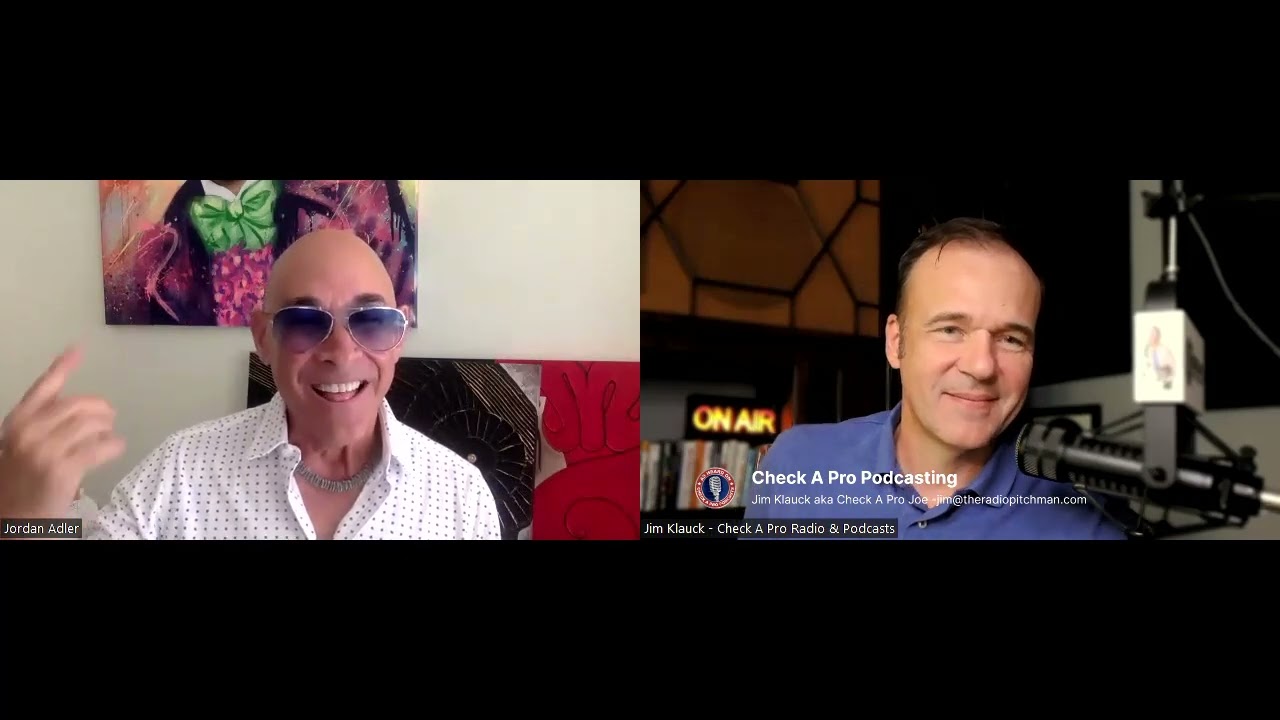
A help-first introduction changes the first job of a networking conversation. Instead of compressing a service menu into thirty seconds, learn what the other person does, whom they serve, and what has their attention. Host Jim Klauck gives the simple prompt: “what do you do and how can I help you”. The question works only when the listener is willing to hear an answer and not use it as a bridge back to a rehearsed pitch.
Keep the first exchange light enough to be human. Do not ask for customer lists, private contact details, pricing files, or an introduction before there is context. Note one or two public, non-sensitive facts only if follow-up was welcomed. A conversation can end without a business-card swap and still be successful: the person felt understood, both sides know whether another exchange would be useful, and no one was enrolled in a funnel by surprise.
“what do you do and how can I help you”
Jim Klauck, episode timestamp 02:59
Listen for the need behind the job title
A title rarely tells you what would help. A roofer may need a reliable specialist for an adjacent problem, a clearer homeowner resource, a hiring introduction, or simply local context. Ask one follow-up about the situation and one about the desired outcome. Repeat back what you heard before proposing a resource. That prevents a generic introduction from creating more work for both recipients.
Listening also reveals when not to connect people. A referral may be outside service area, beyond license or qualification, in conflict with an existing obligation, or inappropriate because sensitive information would have to be shared. Say so plainly. A useful network includes boundaries and honest non-matches. The purpose is not to prove how many people you know; it is to reduce uncertainty for someone who has asked for help.
Offer one relevant resource with permission
Choose the smallest resource that fits the stated need: a public guide, a specific episode, an event, a checklist, or a warm introduction. Explain why it came to mind and what you do not know. Ask before sharing anyone's contact information. For an introduction, confirm both parties want it, state the limited context each has approved, and let them decide whether to continue. Never imply that the introduction carries an endorsement, qualification, or guaranteed response.
A useful owned resource can do the work without exposing a person. Link a transcript-grounded guide or interview that answers the question, such as the method for building authority with a home-service podcast. Avoid affiliate links, undisclosed gifts, or promotional material that changes the nature of the help. If there is a benefit, conflict, or commercial relationship, disclose it before the recipient acts.
Put the relationship before the referral
Dominguez describes a four-part sequence in which relationships precede resources, referrals, and results. The useful control is chronological: do not treat access to a room, chapter, or database as permission to ask everyone for business. A relationship develops through kept commitments, relevant help, honest limits, and enough interaction for both sides to understand what the other actually does.
At 22:24, he says, “relationships come first then you provide resources”. The transcript continues into referrals and results, but this article does not adopt that sequence as a promise. A helpful exchange may never produce a lead, and a referral may appropriately go elsewhere. The relationship standard is whether the conduct was useful and trustworthy before any commercial outcome appeared.
“relationships come first then you provide resources”
Nate Dominguez, episode timestamp 22:24
Follow up with context, consent, and an ending
Follow-up begins with the promise made in the conversation. Send the resource, make the approved introduction, or answer the question. Reference enough context that the message is recognizable, but do not copy a private conversation into a broad CRM note. Use a channel the person provided for this purpose and a frequency proportionate to the relationship. One useful completion is stronger than a sequence of automated nudges the recipient never requested.
Give follow-up an ending. If the person does not respond, avoid escalating across email, text, social accounts, and phone. Keep consent, anti-spam, do-not-contact, retention, and local privacy rules in the workflow. Gifts and cards discussed in the episode may trigger company policies, public-sector rules, professional ethics, or conflict concerns; this page does not recommend a gift program. The durable practice is to remember a person by keeping a commitment, not by collecting unrestricted personal data.
Go deep enough to understand who you can help
A large contact list can hide a shallow network. Choose a manageable set of people whose work, service area, constraints, and standards you can understand. Learn what a good referral looks like, what should never be sent, how quickly they can respond, and what changes over time. Let the other person learn the same about you. Depth makes it easier to say “not this one” without damaging trust.
Dominguez advises networkers “to go deep just as much as you go wide”. Depth is not constant access or manufactured intimacy. It is accumulated, reciprocal context with appropriate boundaries. The career story in Build an HVAC Career Through Skill, Service, and Mentoring offers a related reminder: useful professional relationships grow through real work, learning, and service—not merely proximity to a well-known person.
“to go deep just as much as you go wide”
Nate Dominguez, episode timestamp 32:55
Protect trust at the moment of referral
Before making a referral, verify the request, service area, apparent fit, and limits of what you know. Distinguish personal experience, public information, and a paid or reciprocal arrangement. Do not describe someone as licensed, insured, available, safe, or suitable unless the recipient has current evidence appropriate to the decision. A network introduction is not due diligence, and the person receiving it remains free to compare options.
Use industry-specific rules. Legal, medical, financial, insurance, real-estate, public-sector, and licensed-trade referrals may carry restrictions that a general networking habit misses. Never share protected or sensitive details just to make the introduction feel warmer. If the relationship creates a gift, fee, commission, exclusivity, or conflict, disclose it and obtain qualified review where required. A referral should expand choice and context, not quietly narrow either.
Keep referral knowledge current and correctable
Create a small, permission-based profile for people who want referrals: public business name, service category, coverage area, suitable and unsuitable requests, preferred introduction route, required disclosures, and last-confirmed date. Keep personal schedules, family details, private numbers, customer lists, and sensitive anecdotes out. Ask the person to review their own profile; a third party's memory should never be treated as authoritative current information about them.
Set an expiration or recheck date because roles, capacity, licensing, service areas, and conflicts change. Give recipients a correction path and stop referring when the profile cannot be confirmed. One network coordinator should own the review, but every participant should be able to report drift. This turns a relationship network into a maintainable source of context without converting friendship into an uncontrolled database or suggesting that an old introduction remains suitable forever.
Review usefulness without promising a return
A network review should begin with commitments kept: resources sent, approved introductions completed, questions answered, corrections made, and stale information updated. Add signals such as reciprocal conversations, useful learning, and whether people know what not to refer. Record leads or business only as attributed outcomes with context; do not turn one member's story into an expected return for everyone else.
Compare the network with other ways customers discover the company. The guide to diversifying home-service discovery keeps relationship referrals in a broader mix instead of making one organization a dependency. Review time, cost, privacy, fit, conflicts, and maintenance each quarter. Leave a group or change the approach when the relationships are not useful or the rules do not fit. This article does not endorse BNI, SendOutCards, or any networking vendor.
From the episode
Frequently asked questions
How do you start a referral relationship without pitching?
Ask what the other person does, who they help, and what would be useful. Listen before offering anything. If a relevant resource or introduction comes to mind, ask permission, explain why it may fit, and make no promise about the recipient's response or business result.
What should a referral-network follow-up include?
Reference the actual conversation, complete the promised action, and suggest a proportionate next step. Use the channel and frequency the person expects, keep personal data out of broad marketing lists, and make it easy to decline further contact.
Does joining BNI or another network guarantee referrals?
No. The episode features a BNI Arizona leader and discusses BNI, but this article does not endorse a network or promise referrals, revenue, influence, or return. Evaluate any organization by fit, time, cost, rules, privacy, conflicts, and the quality of relationships you can responsibly maintain.
Source trail
See the evidence behind this article
- Beach Money interview with Nate Dominguez
Primary video and complete public-caption source for help-first introductions, relationship and resource sequencing, follow-up, and depth; market and result claims are omitted.
- Exact reupload of the Nate Dominguez episode
Verified exact reupload attached to this canonical page as an additional video; it does not own another article or provide independent outcome evidence.
- BNI Arizona contact and leadership page
Current first-party source saying Nate and Kelley Dominguez own and operate BNI Arizona and are BNI Executive Directors; it is identity evidence, not an endorsement or referral-result source.