Start with a normal human exchange
The recording contrasts a natural greeting with the anxiety created when the speaker is searching for a pitch line at 10:00. For a home-service team, the practical move is simple: identify yourself, confirm the person and context, and ask whether it is a good time. Do not pretend a sales, renewal, recruiting, review, or referral request is a casual check-in.
A conversational tone does not remove structure. Keep a short checklist for identity, consent, purpose, required disclosures, customer question, evidence, options, next step, and follow-up. The checklist protects accuracy; it should not dictate a canned answer before the customer has spoken. For covered calls in the United States, the FTC Telemarketing Sales Rule guide explains material-disclosure, misrepresentation, calling-time, do-not-call, and recordkeeping controls; it is not a substitute for qualified review of the actual campaign.
Make the agenda visible
The episode describes the awkwardness created when someone circles around an undisclosed agenda at 11:07. Replace that ambiguity with a plain statement: why the team is calling, what information it has, what choice is being discussed, and whether the customer wants to continue. Consent to one conversation is not consent to every offer or follow-up.
Transparency matters at every stage. Say when a technician also sells, when a recommendation has a commission or sponsorship, when a call is recorded, when an estimate may change, and when financing or a contract introduces separate terms. Applicable law, policy, and qualified review control those disclosures; rapport never replaces them.
Qualify fit through the conversation
Russ questions the familiar warm-market and cold-market labels and argues that a real conversation reveals fit at 09:42. In home services, that does not authorize prospecting everyone. Use legitimate contact reasons, permission, service-area boundaries, do-not-contact rules, and observable needs rather than relationship labels or pressure on friends and customers.
Ask only what the decision needs: property and service context, current problem, timing, prior observations, constraints, decision-makers, and desired next step. Do not infer vulnerability, purchasing power, urgency, or intent from age, neighborhood, tone, or personal relationship. A person who is not a fit should leave the conversation with a clear answer and no penalty for declining.
Listen for meaning, not the next line
The episode calls listening the core of its communication framework at 13:12. Make that observable: let the customer finish, summarize the concern in neutral language, ask whether the summary is right, and record the answer without converting it into a diagnosis or commitment the customer did not make.
Use open questions before closed confirmation. Ask what changed, when it happens, what has already been tried, and what outcome the customer wants. For technical, medical, legal, safety, financial, code, warranty, or insurance implications, listening identifies the question; it does not qualify the salesperson to answer beyond verified evidence and authority.
Notice automatic listening
Russ describes the internal scanning that asks how to get a preferred response or rush to the point at 14:02. Teams can detect it in interruptions, premature recommendations, repeated rebuttals, selective notes, or questions that already contain the desired answer. Review those behaviors directly instead of labeling a person as a poor listener.
Build a pause into coaching: after the customer speaks, the representative states the observed fact, the customer's stated concern, what remains unknown, and the next permission-based question. This is a quality-control step, not a claim that one listening method automatically improves conversion or customer satisfaction.
Treat resistance as a stop signal
The source frames its ideas as theory and experience to try rather than certainty at 15:11. Preserve that experimental boundary. When a customer hesitates, says no, expresses confusion, or withdraws permission, pause. Acknowledge the concern, clarify only if invited, offer a relevant source or alternative, and end the pitch when consent is absent.
Do not train representatives to overcome a refusal, create fear, hide a cheaper option, stretch financing, or use a safety claim as leverage. Urgent hazards require the correct safety response and qualified evidence, not a sales tactic. Log the reason neutrally so product, process, messaging, or service-area problems can be fixed without blaming the customer.
Educate before asking for a decision
Jim summarizes a preference for educating people about the problem and possible solution at 17:26. In practice, education means evidence the customer can inspect: observations, test methods, results, uncertainty, options, exclusions, price, responsibilities, and what would change the recommendation. It is not a longer promotional monologue.
Give the customer time and a durable record. Separate required safety action from optional improvement, repair from replacement, and verified facts from judgment. Provide the estimate, scope, warranty, financing, cancellation, and follow-up terms through the appropriate reviewed documents; current law, contract, and policy may impose additional controls, and a warm conversation cannot modify them informally.
Coach a reversible communication experiment
Run a small coaching cycle: choose one call type, preserve review evidence under current law and policy, define transparent-intent and listening behaviors, train supervisors, and compare baseline and pilot samples. Measure disclosure completeness, interruption, accurate summary, customer questions answered, consent, next-step clarity, cancellations, complaints, rework, and conversion without turning any single metric into proof of causation. This is an internal measurement experiment, not a legal-compliance method or a promised improvement.
Keep this page process-only. The recording and current first-party site contain network-marketing, recruiting, coaching, residual-income, testimonial, personal, philanthropic, sales, and financial outcome statements that are not verified here and are not adopted. The FTC's current staff guidance for multi-level marketing discusses deceptive earnings and product claims, but it is non-binding guidance and not legal advice. No income, hiring, investment, conversion, productivity, or business result is promised; qualified legal and financial review is required before using regulated claims or compensation materials.
From the episode
Frequently asked questions
How can a home-service salesperson start a conversation without a script?
State who you are, why you are contacting the person, and what decision or next step is being discussed. Ask permission to continue, use open questions, reflect the answer in plain language, and stop when the person is not interested. A checklist can support accuracy without turning the exchange into a concealed pitch.
What should a salesperson do when a customer resists?
Do not manufacture consent or try to overpower the concern. Pause, acknowledge it, clarify only if invited, offer the relevant evidence or option, and let the customer decline. Safety, price, financing, contract, warranty, and regulated claims may require separate qualified evidence and disclosures; this process recommendation is not legal advice.
Does this episode prove a sales or income result?
No. The episode comes from a network-marketing context and includes personal, coaching, recruiting, business, and financial statements that this page does not adopt. The article preserves only a reversible communication experiment: transparent intent, listening, consent, and no-pressure follow-through.
Source trail
See the evidence behind this article
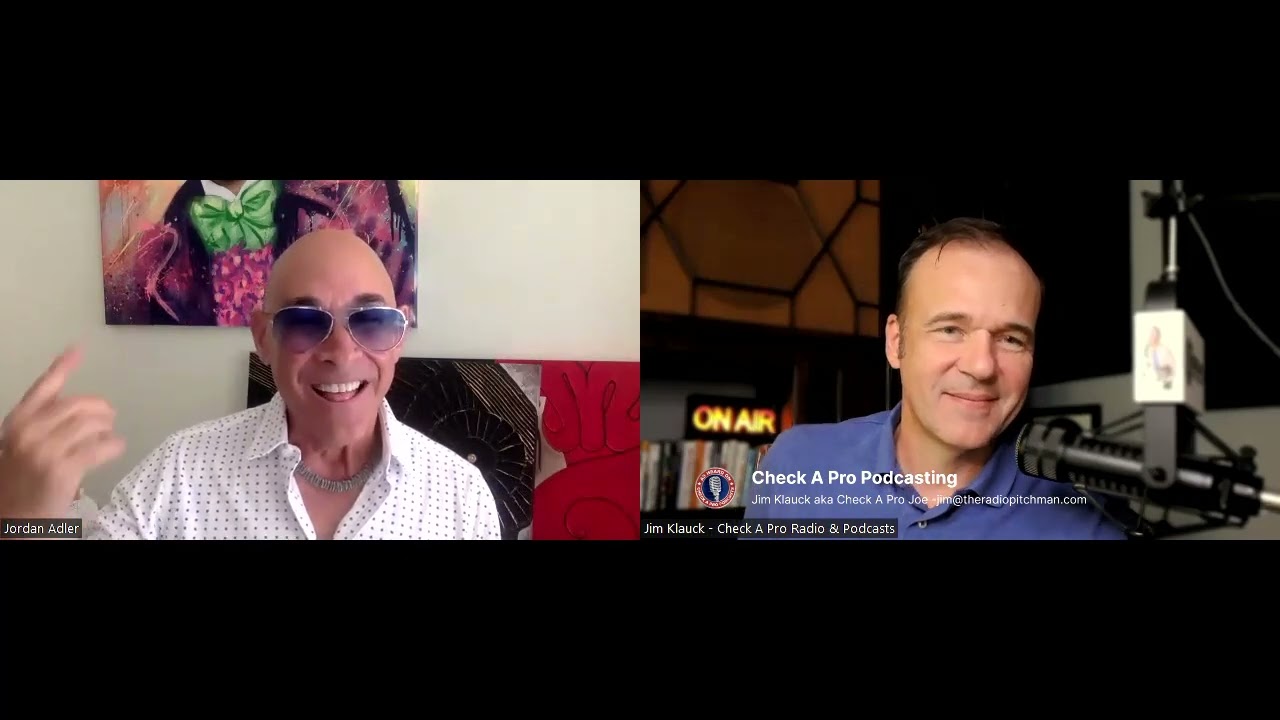
- Beach Money conversation with Russ DeVan
Primary complete public English caption and metadata source. Only transparent-intent, listening, consent, and no-pressure process lessons are used; network-marketing, recruiting, coaching, earnings, and outcome claims are excluded.
- Original Podbean episode source
Episode provenance URL preserved from the YouTube metadata; it is not independent identity, income, recruiting, or result evidence.
- Success by Design Global
Current first-party identity source naming Russ DeVan and Success by Design Global. Its promotional, testimonial, recruiting, residual-income, and performance claims are not adopted.
- FTC Telemarketing Sales Rule compliance guide
Primary U.S. regulator guidance for determining whether a calling campaign is covered and for reviewing disclosures, misrepresentations, calling times, do-not-call controls, and records. Applicability still requires qualified review.
- FTC staff guidance concerning multi-level marketing
Primary regulator staff guidance used only to bound the excluded earnings, product, and recruiting claim context. The guidance is non-binding and is not evidence that this source or business complies.